


A Step-by-Step Guide to Classic Yard Games
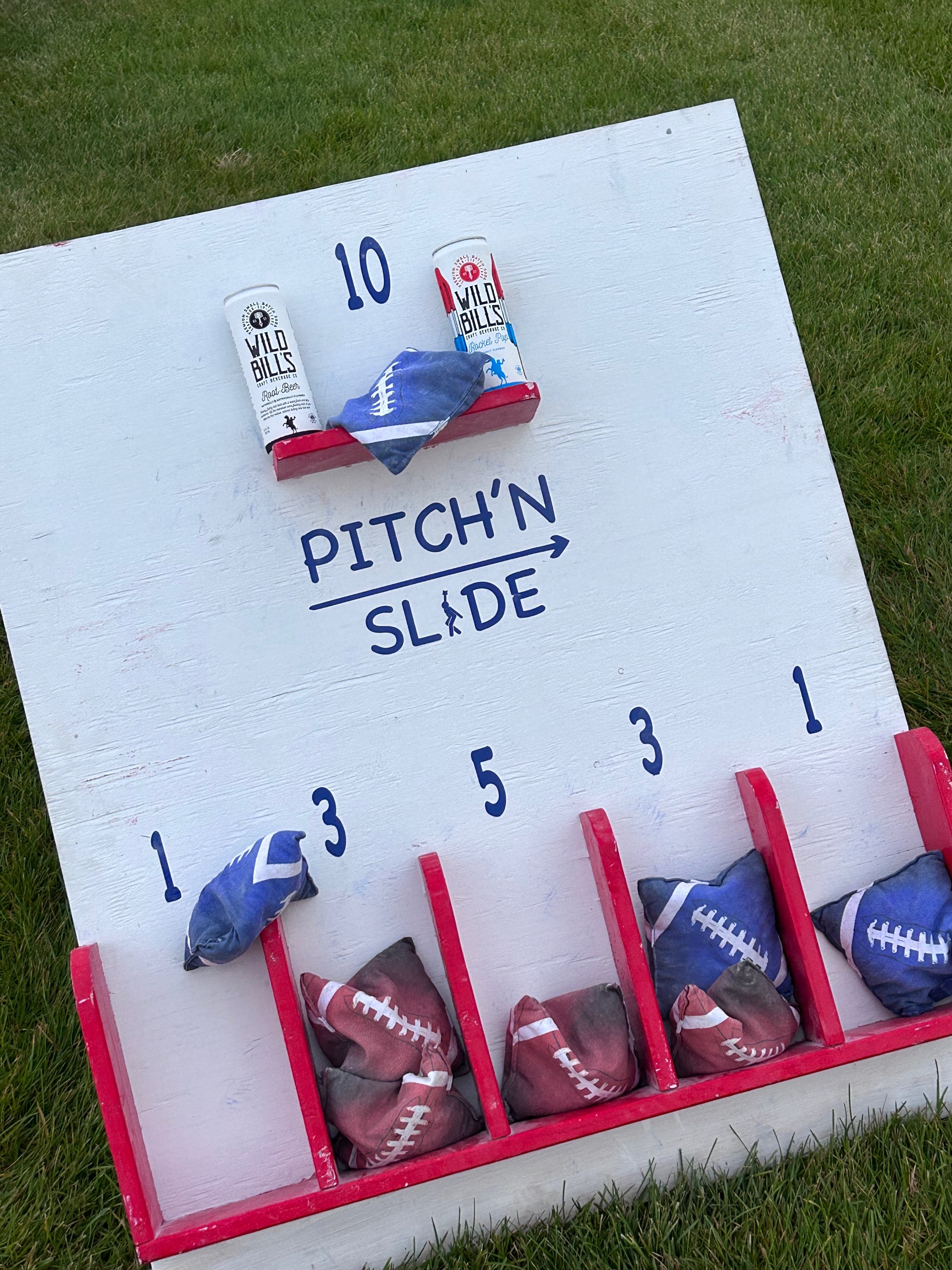
Yard games are a fantastic way to enjoy the outdoors, foster friendly competition, and make lasting memories with family and friends. Whether you're planning a weekend barbecue, a family reunion, or just a fun afternoon in the sun, classic yard games offer something for everyone. In this guide, we will cover some of the most popular yard games and provide detailed instructions on how to set them up and play.
Why Choose Yard Games?
Yard games are perfect for a variety of occasions. They can accommodate large groups, encourage teamwork, and promote physical activity—all while being loads of fun. Games like cornhole, bocce ball, and ladder toss not only entertain but also create an inviting atmosphere that brings people together.

In addition to being enjoyable, yard games can improve hand-eye coordination, strategic thinking, and even social skills. Many yard games are easy to learn, making them accessible for players of all ages. The excitement of competition is balanced with the joy of spending time outdoors, enjoying fresh air and sunshine.
Popular Yard Games
Here are some of the most beloved yard games that you can easily set up in your backyard.
Cornhole
Cornhole is a classic American lawn game that is easy to learn and fun to play. It involves tossing bags filled with corn or beans at a raised platform with a hole in it. Players take turns throwing their bags, aiming to land them on the platform or in the hole for points.
How to Set Up Cornhole
To set up cornhole, you will need:
Two cornhole boards (generally 2 feet by 4 feet)
Eight bags (four for each team)
A flat surface to play on, ideally a grassy area
Position the boards 27 feet apart from each other for adults. For younger kids, you can reduce the distance to make the game more accessible.

What are the Rules of Cornhole?
The rules of cornhole are straightforward and enhance the fun of the game. Here’s how to play:
Each player or team takes turns throwing bags at the opposite board.
The goal is to score points by landing bags on the board or putting them in the hole.
A bag that lands on the board scores one point, while a bag that goes through the hole scores three points.
Players alternate throws and must keep their feet behind the front edge of the cornhole board when throwing.
Points are tallied after each round, and the first team to reach or exceed 21 points wins the game. For further details on how to play cornhole, you can refer to the official rules here.
Ladder Toss
Ladder toss, also known as ladder golf, is another exciting yard game suited for all ages. It consists of a ladder-like structure with three horizontal rungs and bolas—two balls connected by a string—that players toss at the rungs to score points.
Setting Up Ladder Toss
To set up the game, you will need:
A ladder toss set (usually includes two ladders and a set of bolas)
A flat area to play
Set the ladders about 15 feet apart for adults. Mark the throwing line—players should throw from this line toward the opposing ladder.
Points can vary depending on which rung the bolas land on: 1 point for the bottom rung, 3 points for the middle, and 5 points for the top. The first player or team to reach a predetermined number of points, typically 21, wins.

Bocce Ball
Bocce ball is a timeless Italian game that requires skill and strategy. The goal is to toss larger balls (bocce) closest to a smaller ball (the pallino). It can be played on various surfaces, from grass to sand, making it versatile and enjoyable.
How to Play Bocce Ball
For bocce ball, you’ll need:
A set of bocce balls (usually 8 balls of two different colors)
A pallino ball
To set up the game, follow these steps:
Choose a playing area that is at least 60 feet long and 10 feet wide.
The game begins with one team throwing the pallino ball down the court.
Once the pallino is in place, players alternate tossing their bocce balls, aiming to be the closest to the pallino.
The team with the closest ball scores points, with each ball that is closer than the opponent’s scoring one point.
The game typically continues until a team reaches 12 points.
Giant Jenga
Giant Jenga is an oversized version of the popular block stacking game. Players take turns removing blocks from a tower and stacking them back on top without causing the tower to fall.
Setting Up Giant Jenga
To enjoy Giant Jenga, you’ll need:
A set of oversized Jenga blocks (usually made from wood)
A flat, stable surface
To set up the game:
Build the tower by stacking three blocks in a row, alternating the direction with each layer.
Players take turns removing one block at a time from any level (except the top).
After removing a block, it must be placed on top of the tower.
The game ends when the tower collapses, and the last player to remove a block safely is the winner.
Tips for Enjoying Yard Games
While playing yard games is fundamentally about having fun, here are a few tips to create a memorable experience:
Provide shade and seating: Make sure there is enough shade for players and a comfortable area for those taking breaks.
Supply refreshments: Keep plenty of drinks and snacks available to keep energy levels high.
Organize teams: Having organized teams can enhance competition. You can even create brackets for a tournament-style play.
Consider age groups: While some games may be suitable for all ages, others may need adjustments in rules or difficulty based on the participants.

Enjoying yard games has the opportunity to create friendships and forge bonds, as players laugh and cheer for each other. Don’t forget to take pictures to document the fun, as these memories will last a lifetime.
Making Yard Games Accessible for Everyone
To ensure everyone can join in the fun, consider the following:
Adjust rules as necessary: Modify the rules to suit players of different skill levels or ages. For example, younger children may toss closer to the target.
Provide equipment for all players: Make sure there are games suitable for all ages, and provide modifications so everyone can join in.
Encourage teamwork: Some games work better with teams. Creating mixed-age teams can foster cooperation and inclusivity.
Playing yard games offers a unique way to bond with those we care about. By following this step-by-step guide, you can bring classic yard games to life in your own backyard. So gather your friends and family, set up the games, and enjoy a relaxing day outdoors packed with laughter and joy!


Comments